

This week’s newsletter looks at two signals worth watching in the AI and AEC landscape: illoca, which is rethinking how architects interact with design software, and Anthropic’s Fable 5, which shows both the power and fragility of frontier AI.
Illoca: Reworking the design interface
This week, we’re highlighting illoca, an AI-native design platform built for professional architects. As Connor’s article makes clear, the core problem illoca is addressing is not simply speed, but the amount of time architects spend translating ideas into software. Illoca’s Tracing Paper product is designed to reduce that friction by allowing users to sketch, mark up, reference images, and use natural language, while AI helps convert those inputs into editable 2D and 3D outputs.
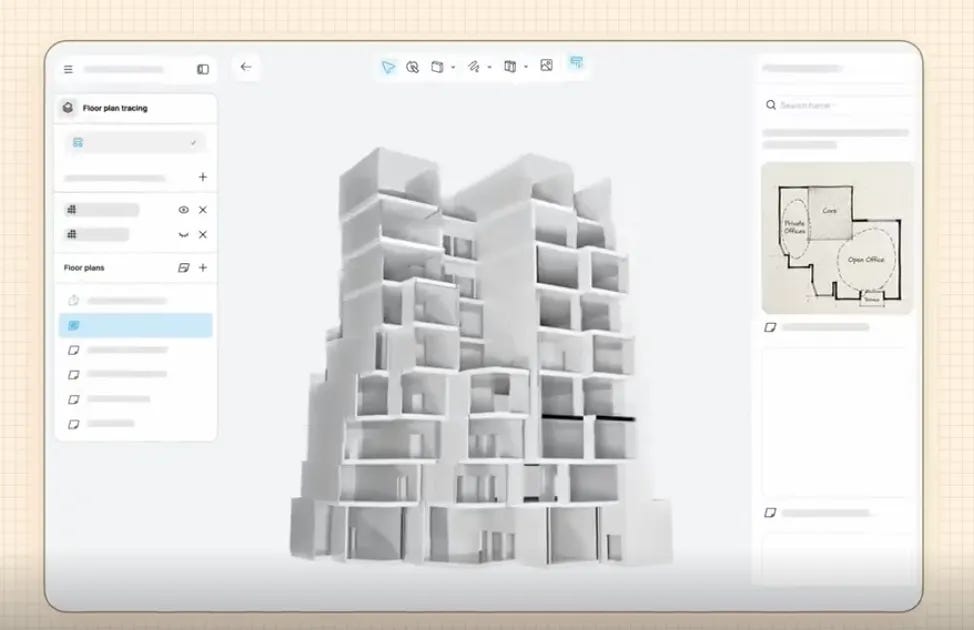
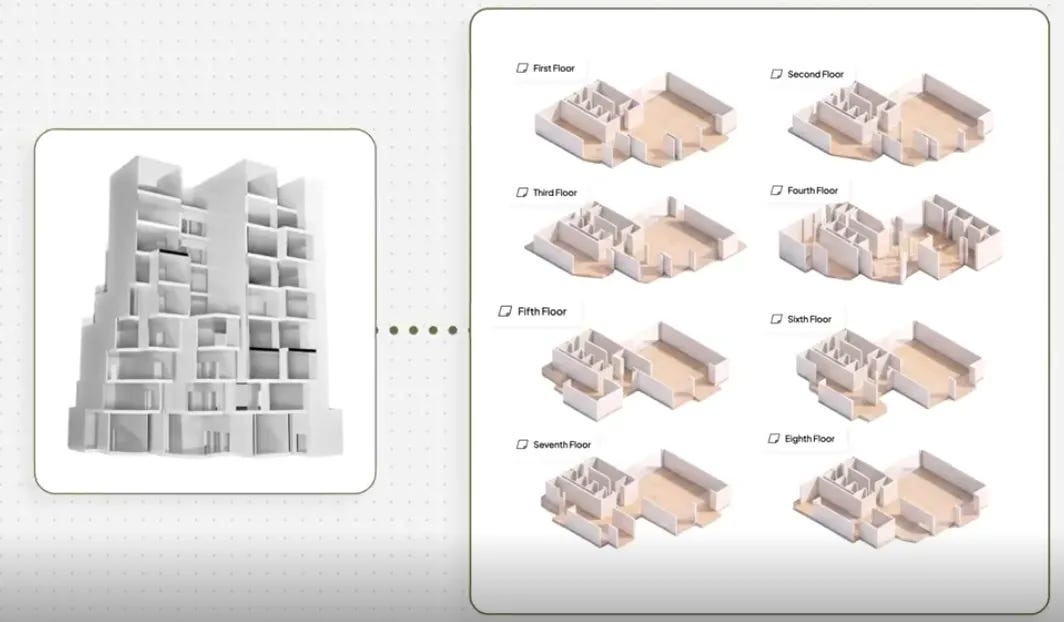
What makes this interesting is the workflow it points to. Instead of forcing architects to move through rigid software steps, illoca suggests a more fluid design process where AI acts as a collaborator inside the early stages of design development. That could mean faster iteration, less manual modeling, and a better bridge between concept exploration and more detailed downstream BIM and CAD workflows.
The broader implication for AEC is creative continuity. If this approach matures, architects may be able to stay in the design flow longer, test more options earlier, and spend less time on the repetitive translation work that often slows projects down. That is the real shift: not just better output, but a more natural design experience.
Credit: adapted from Connor’s insight on illoca.
Fable 5: Long-horizon execution
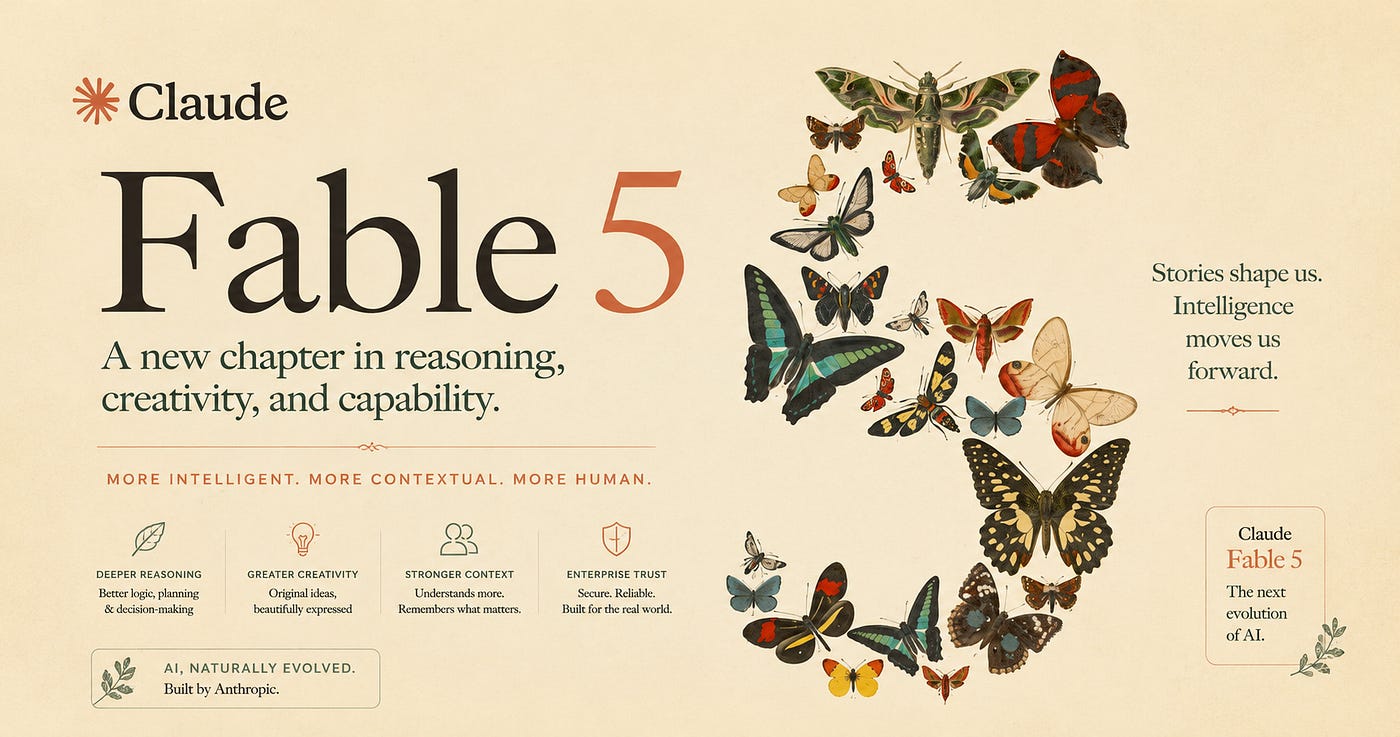
We are also covering Anthropic’s Fable 5, which signals that AI is moving into long-horizon execution. Anthropic describes it as its most capable public model yet, built to work autonomously for longer than previous Claude models, which matters because it shifts AI from short answers to sustained multi-step work across coding, reasoning, and complex knowledge tasks.
For AEC, that matters because it points toward AI support for deeper coordination, document handling, and multi-step workflow assistance instead of only one-off outputs. In practice, that could open the door to more capable project support tools that can hold context across longer tasks and help teams manage complexity more effectively.
At the same time, the suspension of access is a governance warning. Anthropic said it disabled Fable 5 after a U.S. government directive, and the public response shows how quickly frontier AI becomes a policy issue once capability crosses a certain threshold.
The takeaway is twofold. Fable 5 shows what frontier AI can now do, and it also shows how fragile access, oversight, and compliance still are around those capabilities. For the industry, the question is no longer whether AI can do more, but how to use it responsibly and reliably at scale.
Best regards,
Natalie Gusawir
COO
AAL INNOVATION